Have you ever hurt someone and wished you could make things right again?
Maybe you said something wrong, made a bad choice, or carried guilt in your heart. Many people know the feeling of wanting forgiveness but wondering if they truly deserve it.
The Bible speaks deeply about this through a powerful word: propitiation.
At first, the word may sound difficult or old-fashioned. Yet its meaning is full of hope, love, and peace. In the Bible, propitiation shows how God made a way for people to be forgiven and restored through Jesus Christ.
Many Christians search for the meaning of propitiation in the Bible because they want to understand God’s mercy more clearly.
They may wonder how Jesus removed sin, why His sacrifice matters, or what this spiritual message means for their personal faith journey.
The biblical symbolism of propitiation points to healing, reconciliation, and God’s deep desire to draw His people close again.
It reminds believers that God is not distant. He offers grace, forgiveness, and new life.
So, what does propitiation truly mean in Scripture? And how does it connect to faith, hope, and the presence of God today? Let us explore this beautiful Christian meaning together.
Biblical Meaning of Propitiation
In the Bible, propitiation means a sacrifice that turns away wrath and restores peace between God and people. It is closely connected to forgiveness, mercy, and salvation.
Human sin separates people from God. But through Jesus Christ, God provided a way for sins to be forgiven.
One of the clearest Bible verses about propitiation says:
“He is the propitiation for our sins.” — 1 John 2:2
This verse teaches that Jesus took the punishment for sin upon Himself so believers could receive mercy and eternal life.
Propitiation Shows God’s Justice and Love
The Christian meaning of propitiation includes both justice and love. God is holy and righteous, so sin cannot simply be ignored. Yet God also loves humanity deeply.
Because of this love, Jesus became the sacrifice for sin.
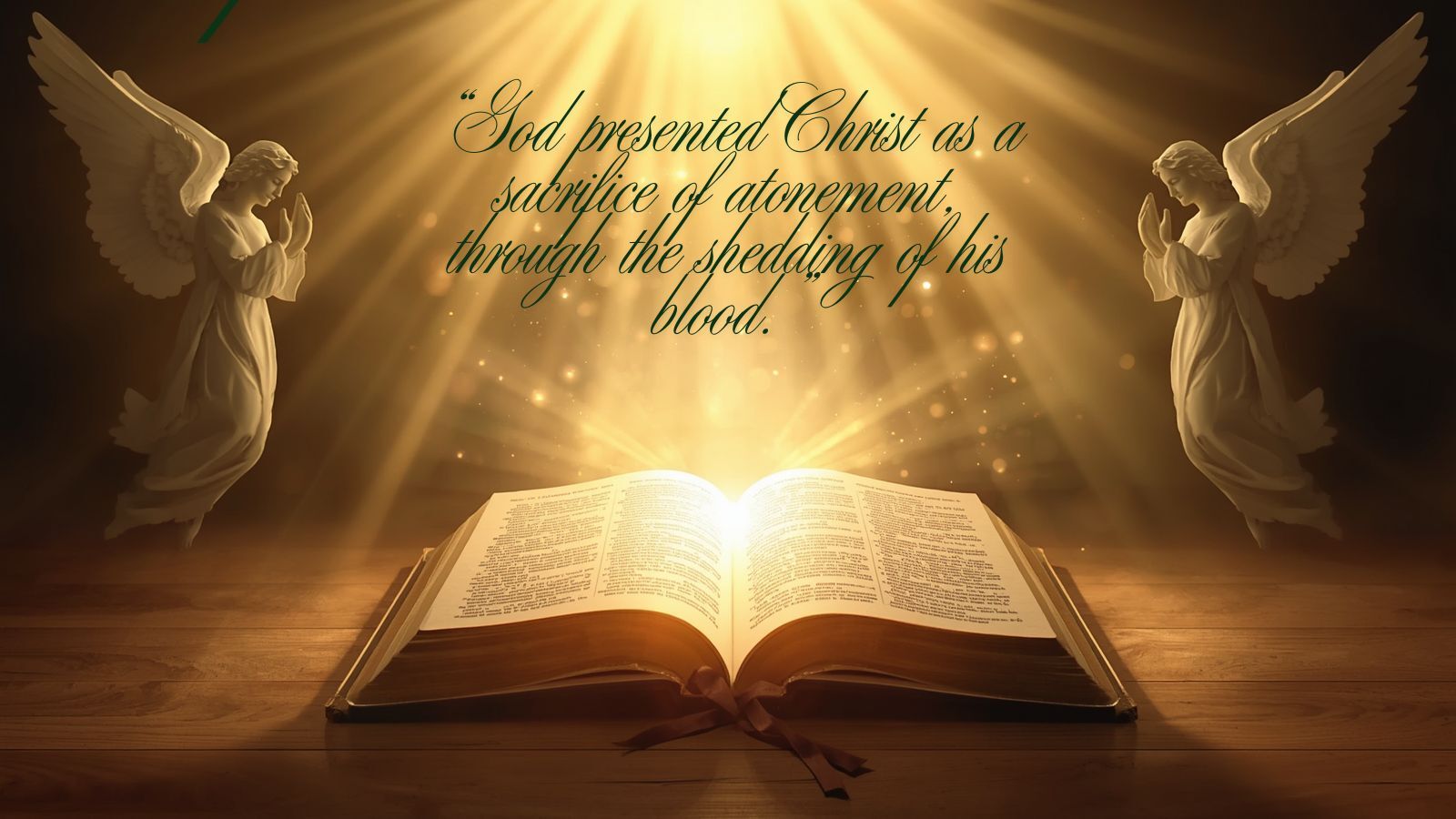
Romans 3:25 says:
“God presented Christ as a sacrifice of atonement, through the shedding of his blood.”
This spiritual symbolism reveals that Jesus bridged the gap between sinful humanity and a holy God. His sacrifice opened the way for forgiveness and peace.
For many believers, this truth brings comfort. It reminds them they do not need to live trapped in guilt or shame.
Propitiation in the Old Testament
The idea of propitiation also appears in the Old Testament. Under the Law of Moses, priests offered animal sacrifices for the sins of the people.
On the Day of Atonement, sacrifices were made so the people could seek forgiveness before God. These offerings pointed forward to Jesus Christ, the perfect and final sacrifice.
Hebrews 9:12 explains that Jesus entered the holy place “by his own blood, thus obtaining eternal redemption.”
This biblical symbolism shows that Christ completed what earlier sacrifices could only represent.
Jesus Became the Perfect Sacrifice
Unlike animal sacrifices, Jesus offered Himself willingly and perfectly.
1 John 4:10 says:
“This is love: not that we loved God, but that he loved us and sent his Son as an atoning sacrifice for our sins.”
This verse carries a strong spiritual message. God’s forgiveness is not earned by human effort alone. It begins with His love and mercy.
Jesus became the perfect sacrifice because He was without sin. Through Him, believers receive grace, hope, and reconciliation with God.
Propitiation Brings Peace
Another important part of propitiation is peace with God.
Before salvation, sin creates separation. But through Christ, believers are welcomed back into relationship with the Father.
Romans 5:1 says:
“Therefore, since we have been justified through faith, we have peace with God through our Lord Jesus Christ.”
This peace is deeply personal. Many Christians feel freedom, joy, and healing after understanding God’s forgiveness.
Warning Against Rejecting God’s Mercy
The Bible also warns people not to reject God’s gift of salvation.
Propitiation is offered freely through Jesus, but believers are called to respond with faith, repentance, and obedience.
Hebrews 10:26 warns against turning away from truth after receiving knowledge of God’s grace.
This warning meaning does not remove hope. Instead, it encourages believers to stay close to God through prayer, faith, and trust.
Spiritual Significance and Symbolism
The spiritual symbolism of propitiation is deeply connected to restoration and new beginnings.
Many people carry hidden guilt, fear, or regret. They may feel unworthy of love or afraid God has abandoned them. Propitiation reminds believers that Jesus already paid the price for sin.
This truth often brings spiritual healing and emotional peace.
In daily life, Christians may experience the message of propitiation through:
- Feeling peace after prayer
- Letting go of shame
- Forgiving others
- Returning to faith after failure
- Trusting God’s mercy during hard seasons
Propitiation also teaches humility. Believers understand they are saved through God’s grace, not through perfection.
This creates compassion toward others. Christians who receive mercy are called to show mercy too.
The presence of God often feels closer when believers fully accept His forgiveness. Many experience a deep spiritual awakening after realizing how much God loves them.
This biblical symbolism points to transformation. Through Christ, broken hearts can heal and weary souls can find rest.
Biblical Interpretations in Dreams or Real Life
In dream interpretation, symbols connected to propitiation may appear through images of sacrifice, cleansing, light, white clothing, crosses, or forgiveness.
A peaceful dream about forgiveness or being washed clean may symbolize spiritual renewal and God’s mercy. It can reflect healing, restored faith, or freedom from guilt.
Dreams involving light or open doors may represent hope, salvation, and the presence of God.
However, fearful dreams about judgment or separation can sometimes reflect spiritual struggles, guilt, or the need for repentance and prayer.
Real-life experiences also carry this spiritual symbolism. Some people feel overwhelmed by mistakes until they surrender their burdens to God. Others experience peace after reconnecting with faith during difficult times.
The Bible encourages believers not to live in fear but to trust Christ’s finished work. Through prayer and faith, people can receive comfort, forgiveness, and guidance.
Practical Lessons & Faith Insights
God’s mercy is greater than human failure. Through Jesus Christ, believers can receive forgiveness and peace.
Spend time in prayer and trust God’s grace daily. Let go of guilt and remember that Christ’s sacrifice was enough. Walk in faith, show kindness to others, and stay close to God’s Word.
Conclusion
The meaning of propitiation in the Bible reveals God’s deep love and mercy toward humanity. Through Jesus Christ, sins are forgiven, peace is restored, and believers are welcomed into God’s presence.
Propitiation is more than a theological word. It is a powerful reminder that God made a way for healing, hope, and salvation.
As you continue your faith journey, may you rest in the comfort of God’s grace and trust the perfect love shown through Jesus Christ.